
Turning a single house into multiple rental units is one of the most powerful real estate strategies in Toronto.
It’s called multiplex conversion, and when done correctly it can dramatically increase rental income, property value, and long-term equity.
But it’s not as simple as putting up a few walls. You need to understand:
- zoning rules
- building requirements
- construction costs
- financing options
- rental demand
In this guide we’ll break down exactly how to create a multiplex in Toronto, including real numbers, timelines, and the risks investors often underestimate.
What’s a Multiplex?
A multiplex is a house split into up to 6 separate units — each with its own kitchen and bathroom. You might know them as duplexes (2 units), triplexes (3 units), fourplexes (4 units), fiveplexes (5 units) or sixplexes (6 units). Now, Toronto allows up to 6 units in the main house, and you can also build a garden suite or laneway suite in the back — bringing it up to 7 total units on one lot.
One thing to note: at least one unit must be above another to qualify to be a multiplex (except for the garden suite or laneway suite).
Why Build a Multiplex in Toronto?

Multiplex investing works because it increases the income potential of a property.
Benefits include:
- Higher rental income: More units means more rent streams.
- Forced appreciation: Property value increases when income increases.
- Better financing opportunities: Larger properties may qualify for CMHC multi-unit financing.
- Improved housing supply: Multiplex housing creates smaller, more affordable units.
If structured properly, multiplex projects can create both monthly cash flow and long-term equity growth.
How Do You Value A Toronto Multiplex?
Unlike single-family homes, multiplex properties are heavily influenced by income potential.
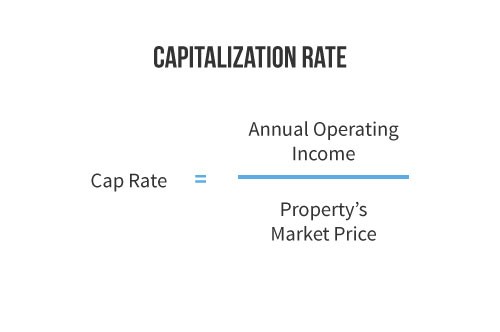
The standard formula is:
Value = Net Operating Income ÷ Cap Rate
Net Operating Income (NOI) = rent minus operating expenses.
To understand how cap rates affect property value, read this guide:
Toronto Cap Rates Explained (2026 Guide for Multiplex Investors)
In Toronto, smaller multiplex properties often trade around 5–5.5% cap rates, depending on location and condition.
What Do the Numbers Look Like?
Now let’s look at a detached house on a main road in Toronto that can be purchased for around $800K — but this one needed renovations.
We budgeted $150K to legally convert it into a triplex. So, with the down payment and renovation costs, the total upfront investment came to about $340K.
Sounds like a lot? Here’s what that unlocked:
- Three rental units: a 2-bed upper, a 1-bed main, and a 1-bed basement
- Over $6,000/month in rental income
Operating costs were similar to the condo — about $1,200/month for taxes, insurance, and maintenance. But instead of bleeding cash, this place cash flows over $2,000/month. That’s a $3,000 swing in monthly cash flow — with the same purchase price as the condo.
Once renos are done, the triplex should appraise for around $1.1M — that’s an instant $150K equity lift. After refinancing, the investor can pull out roughly $240K, leaving only $100K of their own money in the deal — and still holding a property that cash flows every month.
And we’re not done yet. This property also has backyard development potential. Thanks to Toronto’s updated rules, there’s a real shot at adding a laneway or garden suite later on — unlocking even more rental income and long-term appreciation.

How Do You Finance It?
Most multiplex projects follow this process.
Step 1: Purchase property with roughly 20% down.
Step 2: Fund renovation using:
- cash
- HELOC
- construction financing
Step 3
Once completed either:
- sell the property
- or refinance and hold it as a rental property.
For properties with 5 or more units, investors may qualify for CMHC multi-family financing.
How Many Units Can You Create In A Toronto Multiplex?
It depends on your zoning:
- Most Toronto residential lots now allow up to 6 units by-right in the main house, plus a laneway or garden suite—so you can build up to 7 units on a single lot.
- Some zones (like RM or R on major streets) allow more.
- In the future, we might even see up to 30 units in some low-rise zones.
Head here to check the zoning for a specific address.
What Do Development Charges Look Like?
Since 2023, there have been some significant updates:
- There are no development charges for the first 6 residential units in Toronto.
- Development charges for backyard houses may be deferred in Toronto.
- If there are four or more existing residential units in a building, development charges may be waived when you add one more unit or up to 1% of the existing units (whichever is more) in Ontario.
These changes have made Toronto real estate investing much more feasible and financially attractive.
For educational purposes only. Please verify all information with the City of Toronto before proceeding.
Can You Build A Laneway Suite Or Garden Suite On A Lot With A Toronto Multiplex?
Yes — even if you have a multiplex, you can still add a laneway or garden suite (if your lot qualifies). That’s one more way to increase rent and boost your ROI.
Just make sure to review the regulations for Toronto laneway suites and Toronto garden suites.

What Are The Parking Requirements If You Build A Toronto Multiplex?
Good news: Toronto waived parking minimums for multiplexes and most small apartments. That means you don’t need to squeeze in driveways or garages unless you want to.
What Should You Keep In Mind When Creating A Toronto Multiplex?
- Conversions (turning a house into multiple units) are faster and cheaper but limited in layout
- New builds let you design the most efficient income-producing property from the ground up
Ideally, you want one unit per floor, and max out the building size within zoning rules.
What Other Requirements Should I Keep In Mind For Toronto Multiplex Builds?
Some important building rules:
- Height limits: Usually 10m, but check your area
- Lot coverage & setbacks: How much of your lot you can build on
- Floor Space Index (FSI): The ratio of building size to lot size
- Development charges: Waived for the first 6 units and waived for the garden or laneway suite if you have 6 units in the main house.
Always double-check rules for your specific address with the City.
How Do You Read Toronto Zoning Labels?
Check out this video below made by the Toronto Regional Real Estate Board to learn how to read zoning labels in Toronto.
How To Budget Costs & Timelines For Toronto Multiplex Projects
Below is a breakdown of the estimated timeframes and costs associated with various stages involved in creating a Toronto multiplex property.
| Stage | Timeframe | Cost Estimate |
|---|---|---|
| Design & Drawings | 2 - 4 months+ | $10,000 - $30,000+ |
| Application For Zoning Review | 1 month+ | $600 - $2,000 |
| Committee of Adjustments (if needed) | 3 - 6 months+ | $5,000+ |
| City Building Permits and Fees | 1 - 2 months+ | $10,000 - 20,000+ |
| Multiplex Conversions | 3 - 12 months | $40,000+ per unit |
| Multiplex Builds | 12 - 24 months | $250 - $400 / square foot |
| Development Charges (if needed) and Other Soft Costs | N/A | Varies |
For educational purposes only. Please verify all information with the City of Toronto before proceeding.
How We Can Help
If you’re serious about building or converting a multiplex in Toronto, we’re your people.
We’re a real estate sales brokerage that helps you:
- Find the right property
- Understand the numbers
- Connect with architects, contractors, and lenders
- Support you from start to finish
Want to see what’s possible for you? Book a strategy session with us here.

What Toronto Real Estate Investment Is Right For You?
Check out our complete Toronto real estate investment guide for all the details and real-life examples. If you’re ready to dive in, just book a call with us!
